

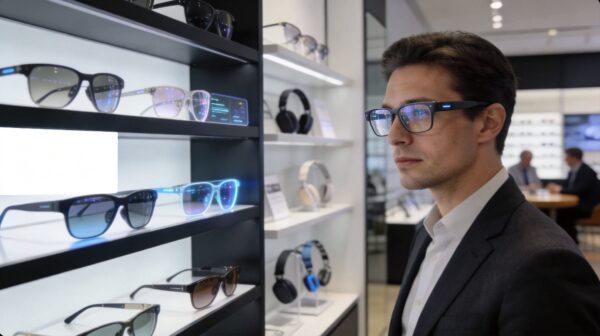
Smart glasses are one of the most discussed wearable categories in 2026. Interest is real—but for importers, attention alone is not a business case.
From an OEM perspective, the key question is not “Are smart glasses growing?” It is: Which use case will make customers buy them repeatedly? Audio calls, hands-free content capture, AI-assisted translation and navigation each appeal to different users. A product trying to serve everyone often becomes too expensive, too complex, and difficult to position.
Before importing, assess three points:
- Use case: Is it a practical audio accessory, a creator tool, a workplace device, or a lifestyle product?
- After-sales capability: Glasses require stronger support than watches—fit, hinges, lenses, battery performance, Bluetooth pairing and software updates all affect return rates.
- Price acceptance: Consumers compare smart glasses not only with wearables, but also with earbuds, sunglasses and smartphones. The value proposition must be obvious at the retail price.
For many markets, the best entry is not the most feature-packed model. It is a reliable, clearly positioned product with comfortable design, stable connectivity, easy app onboarding and a realistic service plan.
Smart glasses are a real opportunity—but only when the product, channel and after-sales model are aligned.
#SmartGlasses #Wearables #ConsumerElectronics #OEM #Importers #RetailStrategy #ProductDevelopment #SmartWearables